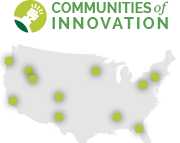
Farmers and ranchers face a host of challenges that threaten their viability, from economics, regulations and increasingly unpredictable weather to community residents and public officials who don’t understand the business of agriculture. At the same time, there are many communities where all residents do not have sufficient access to or consistent supply of healthy, affordable and culturally appropriate food. This is a particular problem for low-income residents, who typically are underserved by the food system. These two challenges –those faced by farmers and those faced by underserved residents – are not addressed in the contemporary food system.Local governments can play an important role in helping growers and residents overcome these challenges. Through changes in planning and public policy, local and regional governments can support food production and improve food security for all underserved residents. Many towns, cities, counties and regional agencies are developing and implementing a range of innovative plans, public programs, regulations, laws, financial investments and other policies to address these issues. Bringing together local food procurement policies, farmland protection ordinances, regional food aggregation and distribution facilities, grocery store financing initiatives and farmers market double value redemption programs, these Communities of Innovation are using creative strategies to foster linkages between community food production and community food security. Growing Food Connections is conducting research on the strategies used by Communities of Innovation to connect farmers and underserved residents.